Buy и.pl ?
We are moving the project
и.pl .
Are you interested in purchasing the domain
и.pl ?
domain@kv-gmbh.de · 0541-91531010
Buy и.pl ?
How much heat can devices withstand?
The amount of heat that devices can withstand varies depending on the type of device and its components. Generally, electronic devices are designed to operate within a specific temperature range, typically between 0 to 35 degrees Celsius. Exceeding this temperature range can lead to overheating, which can cause damage to the device or even result in a fire. It is important to follow the manufacturer's guidelines for operating temperatures and to avoid exposing devices to extreme heat sources. **
How can one heat water using hypersonic technology?
Hypersonic technology can be used to heat water by utilizing the intense heat generated from the high-speed movement of air or gas. This can be achieved by using a hypersonic combustion chamber to create extremely high temperatures, which can then be used to heat water directly or to generate steam for various applications. Additionally, hypersonic technology can also be used to harness the kinetic energy of the high-speed airflow to drive turbines, which can then be used to generate electricity for heating water. Overall, hypersonic technology offers a potential means to efficiently and rapidly heat water for various industrial and commercial purposes. **


Similar search terms for Heat
Top-Angebote
Products related to Heat:
-
Inspire Picks Cozy Therm Self Warming Cat Mat With Heat Retention Technology sGive your pet a warm and cozy place to relax with this self warming cat mat designed to provide comfort in every season. Featuring heatretention technology, this soft pet bed pad reflects your pet's natural body warmth to create a comfortable...34,93 $*Shipping: 0,00 $Secure redirect to the provider
-
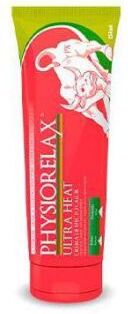
Physiorelax Ultra Heat Heat Cream 250 mlHealth and Beauty First aid kit Physiorelax Ultra Heat Heat Cream 250 ml Physiorelax Ultra Heat Plus is a heat-effect massage cream that you can use daily and on localized areas for greater effect. Its effectiveness comes from the careful combination of natural plant extracts. The high concentration of these ingredients, along with Capsaicin, Clove Oil, and Wintergreen Oil, makes it our most potent formula. This arnica cream is perfect for use before daily overexertion or as a complement to a sports warm-up. Intense heat - For ages 12+. Complete Helenalin2 formula. Perfect for daily or sports warm-ups. Recommended for localized areas: ankles, neck, shoulders, or knees. Other sizes: 250 mL23,95 £*Shipping: 3,99 £Secure redirect to the provider
-
Rare Purchases Piece Repair Tool Kit With Torx Screwdrivers For Digital Devices And Gadgets magnetismIntroducing our Multifunctional Precision Screwdriver Set, the essential tool kit for anyone who works with digital devices. Whether you're repairing a phone, tablet, PC, or any other gadget, this versatile tool set provides all the necessary...49,97 $*Shipping: 0,00 $Secure redirect to the provider
-
Electronic Arts Need for Speed Heat - Xbox One Disc - Racing Game for Xbox OneOpen-world racing game set in Palm City. Play daytime races and night street races. Includes Speedhunter Showdown and underground races. Customise cars and build a garage. Physical disc edition.28,91 £*Shipping: 3,95 £Secure redirect to the provider



-
How can one heat an apartment with electronic radiators?
Electronic radiators can be used to heat an apartment by simply plugging them into a power outlet. Once plugged in, the electronic radiators can be set to the desired temperature using the built-in thermostat or control panel. The radiators will then generate heat and distribute it throughout the apartment, effectively warming the space. Additionally, some electronic radiators may also have programmable features that allow for customized heating schedules to optimize energy efficiency. **
-
What is the unit on an electronic heat cost allocator?
The unit on an electronic heat cost allocator is typically a measurement of energy consumption, such as kilowatt-hours (kWh). This unit is used to quantify the amount of heat energy used by a specific heating system or device. The heat cost allocator measures the energy consumption and calculates the cost of heating based on this measurement, allowing for fair distribution of heating costs among users. **
-
What destroys electronic devices?
Electronic devices can be destroyed by a variety of factors, including water damage, overheating, power surges, physical impact, and exposure to dust or debris. Water damage is particularly harmful as it can cause short circuits and corrosion of internal components. Overheating can lead to damage to the device's circuitry and battery. Power surges can also cause irreparable damage to electronic devices by overwhelming their internal components. **
-
Do heat pumps with inverter technology require a buffer storage tank?
Heat pumps with inverter technology do not necessarily require a buffer storage tank, as the inverter technology allows the heat pump to modulate its output to match the heating or cooling demand of the building. This means that the heat pump can adjust its capacity based on the building's needs, reducing the need for a buffer storage tank to store excess energy. However, in some cases, a buffer storage tank may still be beneficial to optimize the performance and efficiency of the heat pump system, especially in larger or more complex heating and cooling systems. Ultimately, the need for a buffer storage tank will depend on the specific requirements and design of the heating and cooling system. **

What is heat conduction and heat convection?
Heat conduction is the transfer of heat through a material or between materials that are in direct contact with each other. It occurs through the vibration and collision of atoms and molecules, leading to the transfer of thermal energy. On the other hand, heat convection is the transfer of heat through the movement of fluids, such as air or water. This occurs as warmer, less dense fluid rises and cooler, denser fluid sinks, creating a continuous circulation of heat transfer. Both heat conduction and heat convection are important mechanisms for the transfer of heat in various natural and engineered systems. **
Which material absorbs heat without storing heat?
A material that absorbs heat without storing it is one that has a high thermal conductivity and low heat capacity. This means that it can quickly absorb heat and transfer it away without retaining much of the heat energy. Examples of such materials include metals like aluminum and copper, as well as certain types of ceramics and carbon-based materials. These materials are often used in applications where rapid heat absorption and dissipation are required, such as in heat sinks for electronic devices or in cooking utensils. **
Top-Angebote
Products related to Heat:
-
7QT Multicooker Heat and Eat Technology by Black & Decker in BlackWhy You'll Love It Prepare generous family-size meals in one versatile pot.Enjoy five cooking functions for everyday meal variety.Move and serve comfortably with cool-touch handles.Get quick, easy cleanup with a fully submersible pot and lid.Enjoy...114,99 $*Shipping: 23,98 $Secure redirect to the provider
-
Inspired Finds 46x31cm Heat Resistant Silicone Soldering Mat 932F Magnetic Electronic Repair Work Pad 46x31cm Heat Resistant Silicone Soldering Mat 932F Magnetic Electronic Repair Work PadProtect your workspace while making electronic repairs easier with this HeatResistant Silicone Soldering Mat. Built to withstand temperatures up to 932F (500C), this durable work mat provides a safe, organized surface for soldering, circuit board...95,99 $*Shipping: 0,00 $Secure redirect to the provider
-
Inspire Picks Cozy Therm Self Warming Cat Mat With Heat Retention Technology sGive your pet a warm and cozy place to relax with this self warming cat mat designed to provide comfort in every season. Featuring heatretention technology, this soft pet bed pad reflects your pet's natural body warmth to create a comfortable...34,93 $*Shipping: 0,00 $Secure redirect to the provider
-
Physiorelax Ultra Heat Heat Cream 250 mlHealth and Beauty First aid kit Physiorelax Ultra Heat Heat Cream 250 ml Physiorelax Ultra Heat Plus is a heat-effect massage cream that you can use daily and on localized areas for greater effect. Its effectiveness comes from the careful combination of natural plant extracts. The high concentration of these ingredients, along with Capsaicin, Clove Oil, and Wintergreen Oil, makes it our most potent formula. This arnica cream is perfect for use before daily overexertion or as a complement to a sports warm-up. Intense heat - For ages 12+. Complete Helenalin2 formula. Perfect for daily or sports warm-ups. Recommended for localized areas: ankles, neck, shoulders, or knees. Other sizes: 250 mL23,95 £*Shipping: 3,99 £Secure redirect to the provider
-
How much heat can devices withstand?
The amount of heat that devices can withstand varies depending on the type of device and its components. Generally, electronic devices are designed to operate within a specific temperature range, typically between 0 to 35 degrees Celsius. Exceeding this temperature range can lead to overheating, which can cause damage to the device or even result in a fire. It is important to follow the manufacturer's guidelines for operating temperatures and to avoid exposing devices to extreme heat sources. **
-
How can one heat water using hypersonic technology?
Hypersonic technology can be used to heat water by utilizing the intense heat generated from the high-speed movement of air or gas. This can be achieved by using a hypersonic combustion chamber to create extremely high temperatures, which can then be used to heat water directly or to generate steam for various applications. Additionally, hypersonic technology can also be used to harness the kinetic energy of the high-speed airflow to drive turbines, which can then be used to generate electricity for heating water. Overall, hypersonic technology offers a potential means to efficiently and rapidly heat water for various industrial and commercial purposes. **
-
How can one heat an apartment with electronic radiators?
Electronic radiators can be used to heat an apartment by simply plugging them into a power outlet. Once plugged in, the electronic radiators can be set to the desired temperature using the built-in thermostat or control panel. The radiators will then generate heat and distribute it throughout the apartment, effectively warming the space. Additionally, some electronic radiators may also have programmable features that allow for customized heating schedules to optimize energy efficiency. **
-
What is the unit on an electronic heat cost allocator?
The unit on an electronic heat cost allocator is typically a measurement of energy consumption, such as kilowatt-hours (kWh). This unit is used to quantify the amount of heat energy used by a specific heating system or device. The heat cost allocator measures the energy consumption and calculates the cost of heating based on this measurement, allowing for fair distribution of heating costs among users. **
Similar search terms for Heat
-
Rare Purchases Piece Repair Tool Kit With Torx Screwdrivers For Digital Devices And Gadgets magnetismIntroducing our Multifunctional Precision Screwdriver Set, the essential tool kit for anyone who works with digital devices. Whether you're repairing a phone, tablet, PC, or any other gadget, this versatile tool set provides all the necessary...49,97 $*Shipping: 0,00 $Secure redirect to the provider
-
Electronic Arts Need for Speed Heat - Xbox One Disc - Racing Game for Xbox OneOpen-world racing game set in Palm City. Play daytime races and night street races. Includes Speedhunter Showdown and underground races. Customise cars and build a garage. Physical disc edition.28,91 £*Shipping: 3,95 £Secure redirect to the provider
-
Inspire Picks Cozy Therm Self Warming Cat Mat With Heat Retention Technology mGive your pet a warm and cozy place to relax with this self warming cat mat designed to provide comfort in every season. Featuring heatretention technology, this soft pet bed pad reflects your pet's natural body warmth to create a comfortable...34,93 $*Shipping: 0,00 $Secure redirect to the provider
-
What destroys electronic devices?
Electronic devices can be destroyed by a variety of factors, including water damage, overheating, power surges, physical impact, and exposure to dust or debris. Water damage is particularly harmful as it can cause short circuits and corrosion of internal components. Overheating can lead to damage to the device's circuitry and battery. Power surges can also cause irreparable damage to electronic devices by overwhelming their internal components. **
-
Do heat pumps with inverter technology require a buffer storage tank?
Heat pumps with inverter technology do not necessarily require a buffer storage tank, as the inverter technology allows the heat pump to modulate its output to match the heating or cooling demand of the building. This means that the heat pump can adjust its capacity based on the building's needs, reducing the need for a buffer storage tank to store excess energy. However, in some cases, a buffer storage tank may still be beneficial to optimize the performance and efficiency of the heat pump system, especially in larger or more complex heating and cooling systems. Ultimately, the need for a buffer storage tank will depend on the specific requirements and design of the heating and cooling system. **
-
What is heat conduction and heat convection?
Heat conduction is the transfer of heat through a material or between materials that are in direct contact with each other. It occurs through the vibration and collision of atoms and molecules, leading to the transfer of thermal energy. On the other hand, heat convection is the transfer of heat through the movement of fluids, such as air or water. This occurs as warmer, less dense fluid rises and cooler, denser fluid sinks, creating a continuous circulation of heat transfer. Both heat conduction and heat convection are important mechanisms for the transfer of heat in various natural and engineered systems. **
-
Which material absorbs heat without storing heat?
A material that absorbs heat without storing it is one that has a high thermal conductivity and low heat capacity. This means that it can quickly absorb heat and transfer it away without retaining much of the heat energy. Examples of such materials include metals like aluminum and copper, as well as certain types of ceramics and carbon-based materials. These materials are often used in applications where rapid heat absorption and dissipation are required, such as in heat sinks for electronic devices or in cooking utensils. **
* All prices are inclusive of VAT and, if applicable, plus shipping costs. The offer information is based on the details provided by the respective shop and is updated through automated processes. Real-time updates do not occur, so deviations can occur in individual cases. ** Note: Parts of this content were created by AI.